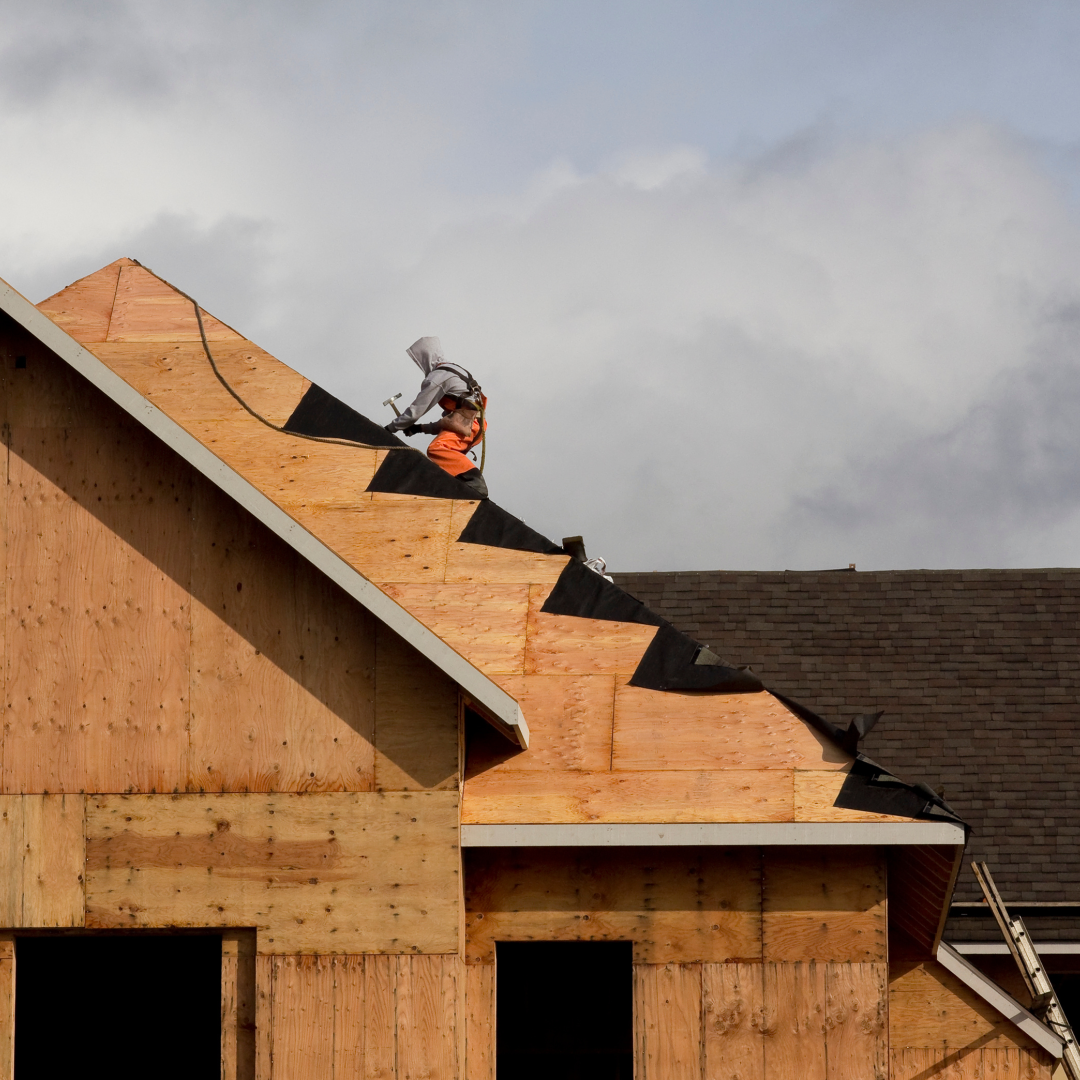
Are you a Florida homeowner confused by roofing terms? This guide explains the parts of a roof and how our unique weather affects them. Your roof is one of the most important systems protecting your home. In Florida, roofs face relentless challenges: heavy rain, high humidity, strong winds, and intense UV exposure year-round. Understanding the different parts of a roof can help you spot early warning signs, plan proactive maintenance, and avoid costly repairs or premature replacement. When each component works together as designed, your roof delivers long-term performance and peace of mind. Below, we break down the main parts of a roofing system, what they do, and how to recognize when something isn’t working as it should. The Main Parts of a Roof (And Why They Matter) 1. Roof Decking (Sheathing) The roof decking is the structural foundation of your roof. Made from plywood or OSB (oriented strand board), it’s installed over the rafters and supports every other roofing component. Why Roof Decking Matters: Common signs of failure: Florida Homeowner Pro Tip: Soft spots or roof sagging after storms often signal hidden water damage—address these issues quickly to prevent bigger repairs. If decking is compromised, a roof replacement is often required rather than a simple repair. 2. Underlayment The roof underlayment is a protective barrier installed between the decking and the shingles. It provides secondary water resistance if moisture gets past the outer roofing material. In Florida, this is one of the most important roof components for protecting against wind-driven rain. Why Underlayment Matters: Common signs of failure: Florida Homeowner Pro Tip: Underlayment issues often not visible from the exterior—schedule a professional roof inspection if you notice musty attic odors. 3. Shingles (or Roofing Material) Shingles are the most visible part of your roof and serve as the primary barrier against Florida’s elements, including intense UV exposure, wind, and rain. Why Shingles Matter: Common signs of failure: Florida Homeowner Pro Tip: After big storms or hurricanes, check for missing or damaged shingles and granules in gutters—they’re clues to deeper roof issues. Addressing shingle damage early can help prevent water from reaching deeper roof components and reduce the need for extensive roof repairs. 4. Flashing Flashing is installed around roof penetrations and transitions, such as chimneys, skylights, vents, and valleys. Why Flashing Matters: Common signs of failure: Florida Homeowner Pro Tip: Florida’s heavy rain can quickly expose weak or missing flashing—inspect these areas after major storms! Flashing failures are one of the most common causes of roof leaks and often require targeted roof repair services. 5. Drip Edge The drip edge is a metal strip installed along the edges of the roof to protect the roof structure and fascia. Often overlooked, it is an essential part of the roof anatomy, especially in Florida’s climate. Why Drip Edge Matters: Common signs of failure: Florida Homeowner Pro Tip: After heavy rain, look along your roof edges and fascia for peeling paint, dark stains, or soft wood. These are early signs water may be getting behind the shingles. Even if your roof looks fine from the ground, missing or damaged drip edge can allow slow water damage that adds up over time. 6. Roof Vents Roof vents regulate airflow and moisture levels in your attic, protecting both the roof and the interior of your home. Why Roof Vents Matter: Common signs of failure: Florida Homeowner Pro Tip: Florida heat and humidity can take a toll on your roof if your attic isn’t properly ventilated. If your home feels harder to cool or your roof seems to be aging quickly, poor ventilation could be the cause—an inspection can help catch the issue early. How Each Part of Your Roof Works Together A roof isn’t just a series of unrelated pieces—it’s an integrated system where every component relies on the others to keep your home safe and dry. When each of these parts is in good condition and functioning as intended, they support one another to create a complete roof system that stands up to Florida’s challenging weather. But if one part fails, it can put extra strain on the rest, making regular inspection and maintenance an essential part of preserving your roof’s life and performance. Why Understanding Roof Anatomy Matters Knowing the anatomy of a roof helps homeowners: Many roofing problems start small — and by the time damage is visible inside your home, multiple roof components may already be affected. Maintaining your roof properly not only helps you avoid emergency repairs, but it also protects the value of your home for the long term, making it more attractive to future buyers. Ultimately, being familiar with your roof’s parts gives you greater confidence and peace of mind as a homeowner. When to Schedule a Professional Roof Inspection If your roof is over 10 years old, has experienced storm damage, or shows any warning signs listed above, a professional inspection can help identify issues before they become major problems. At P&A Roofing & Sheet Metal, our experienced team evaluates every part of your roofing system to ensure long-term performance and reliability. Schedule your free roof inspection today and protect your home with confidence.
Read MoreUnderstanding The Parts of a Roof: A Homeowner’s Guide